2026-09-17
The number stamped on a diesel injector is the most reliable way to identify it, and also the easiest to misread. Understanding the structure — and why the same physical part carries several different numbers — prevents most ordering mistakes.
Most injector part numbers follow one of two patterns. The first is a manufacturer-format number such as 0 445 120 231 or 0 445 120 123, where the leading group identifies the series and the trailing digits the specific variant within it. The second is the equipment manufacturer's own part number, such as 23670-30450 or 8-98133043-3, which is the number that appears in the vehicle or machine parts catalogue.
Both refer to the same physical injector, which is why cross-reference tables exist. A single injector design fitted to several engines will legitimately carry a manufacturer number, one or more equipment manufacturer numbers, and sometimes a service or exchange number as well. All of them are correct. The practical consequence is that you should search by whatever number is physically on your unit, not by the number in the parts catalogue for your machine, because the two may differ.
Spaces and hyphens are formatting, not data. 0445120231, 0 445 120 231 and 0445 120 231 are the same part. When searching online it usually helps to strip the spaces and punctuation entirely and search the bare digit string.
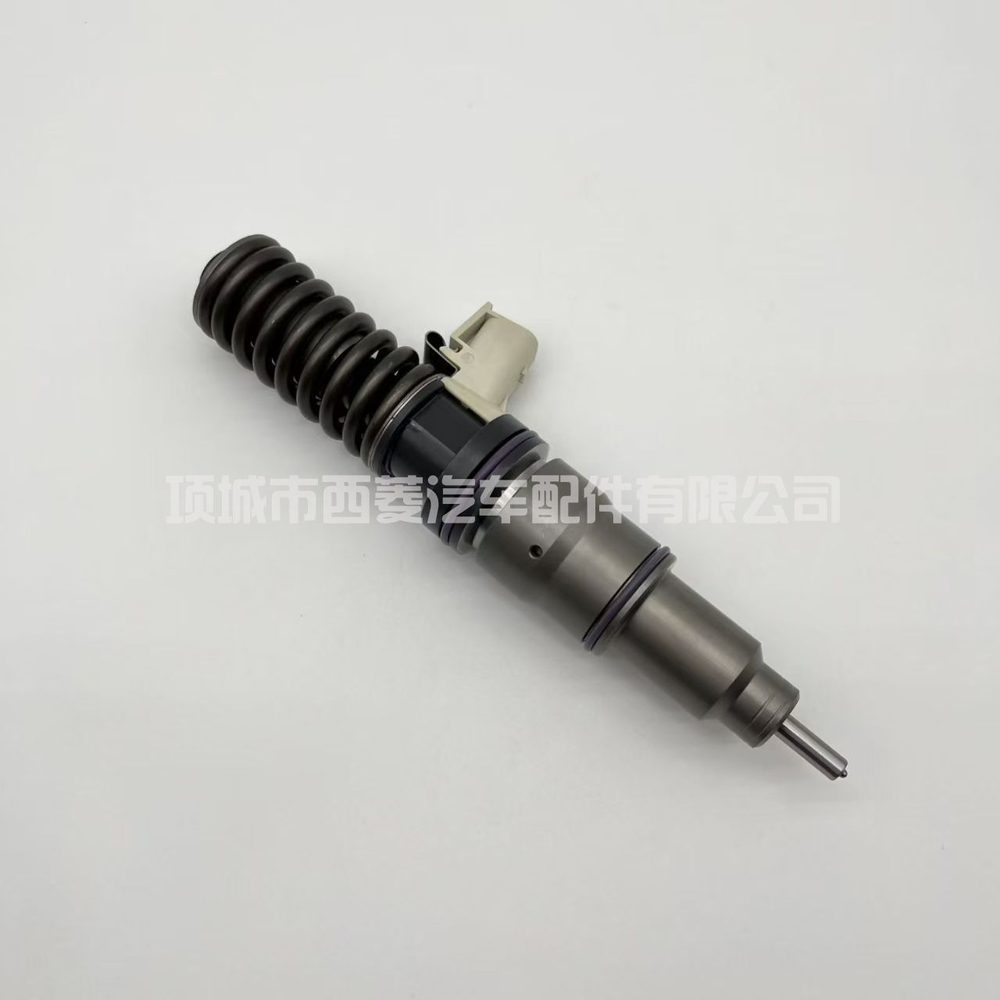
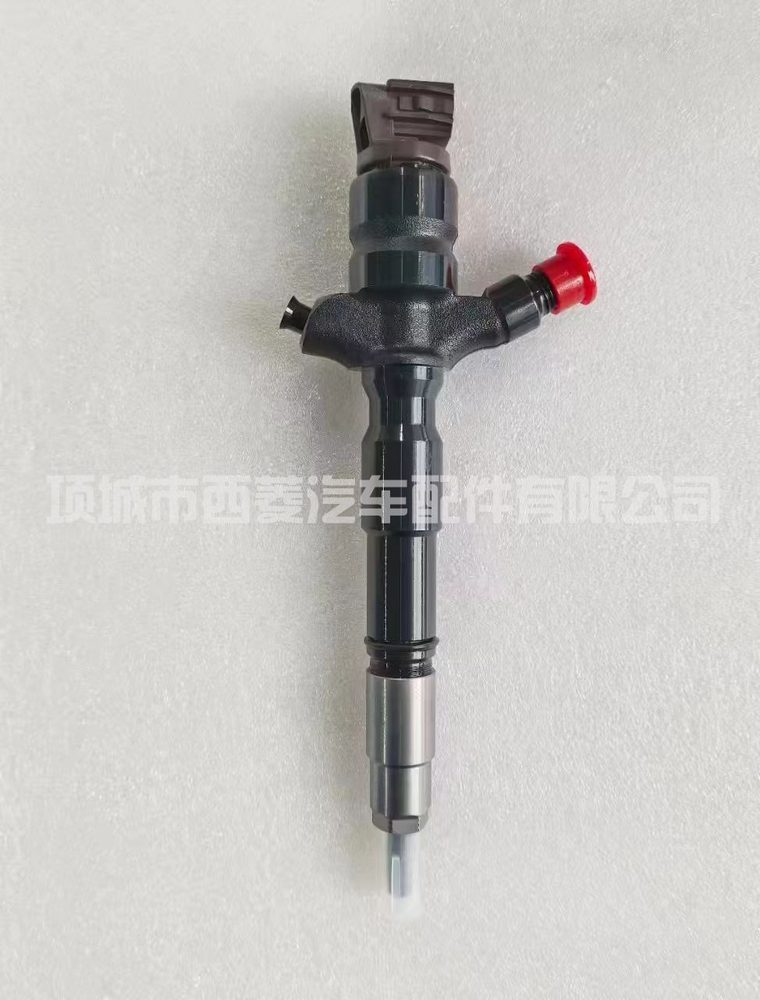
The most common ordering error is choosing by visual similarity. Injectors within the same family share bodies, connectors and overall shape while differing in nozzle specification, flow rate and spray angle — differences invisible from outside. Two numbers differing in a single digit can be genuinely non-interchangeable even though the parts look identical on a bench.
Because of that, the safest routine before ordering is: read the number off the existing unit rather than from a catalogue, photograph the nameplate, note the engine model and the machine or vehicle application, and send all three to the supplier for confirmation. A supplier who checks and confirms is doing the job properly; one who ships on the number alone without asking about the engine is not.
If the number is unreadable — which happens, particularly on units that have been chemically cleaned or have suffered heat damage — the fallback is to identify by engine model and application plus a physical comparison of connector type, body length and nozzle code. It is slower and less certain, which is why photographing the nameplate before removal is worth the thirty seconds.