2026-09-17
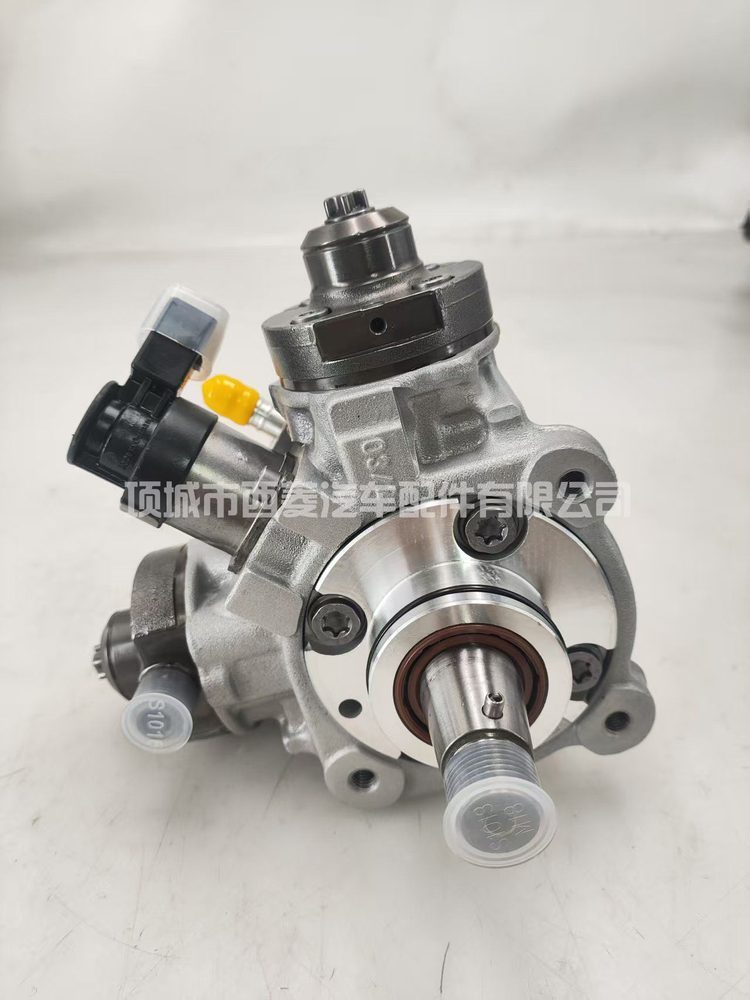
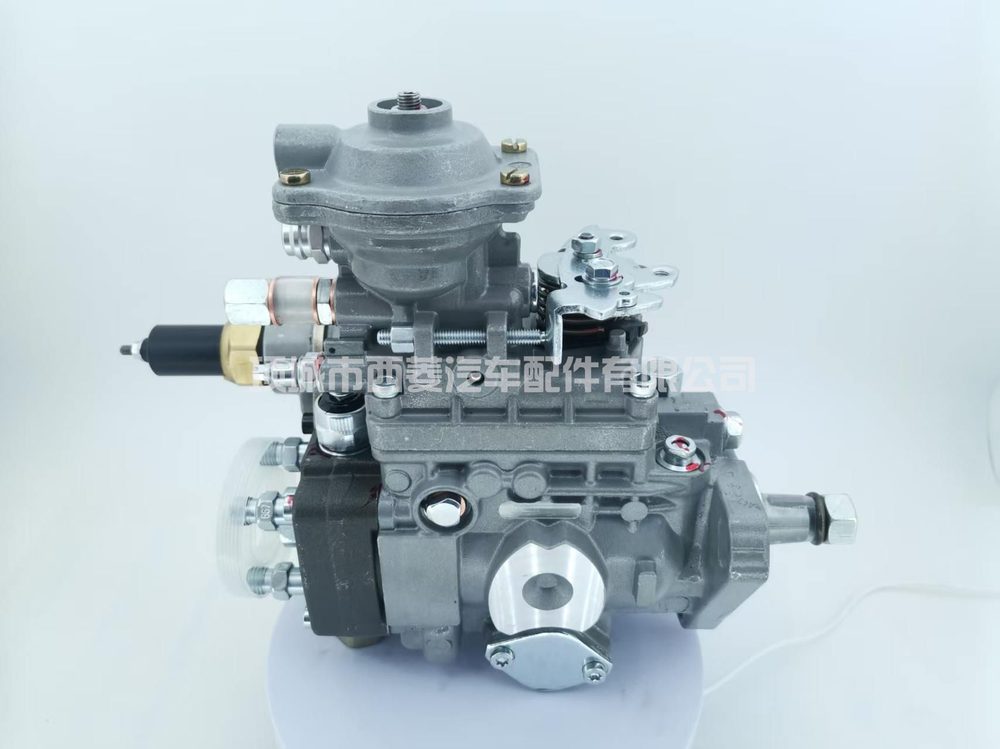
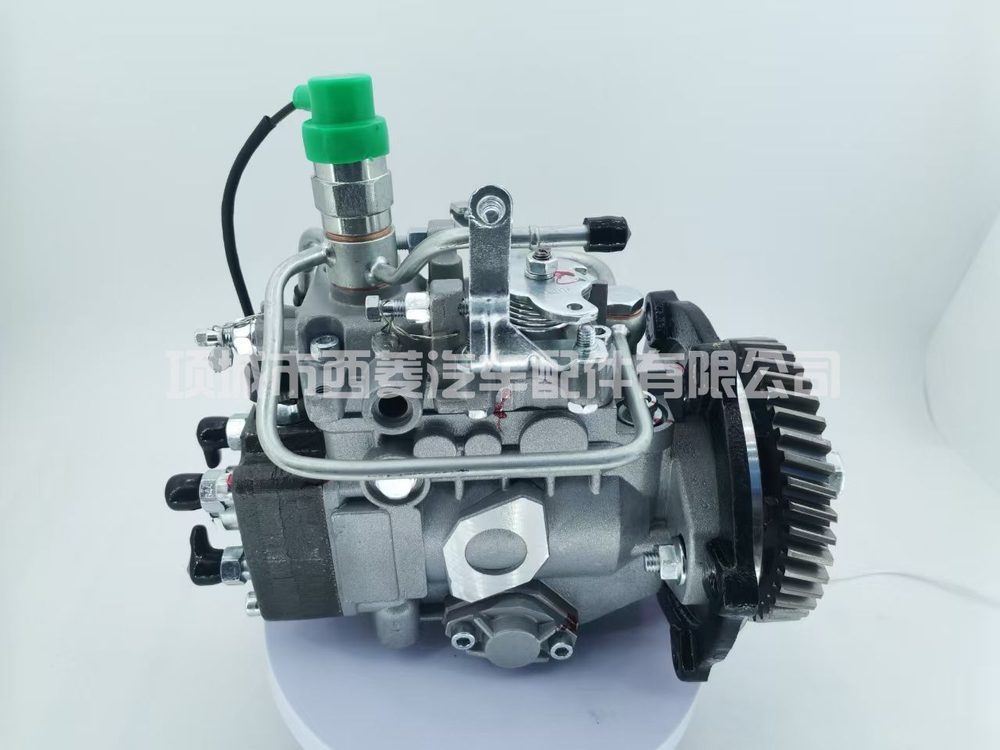
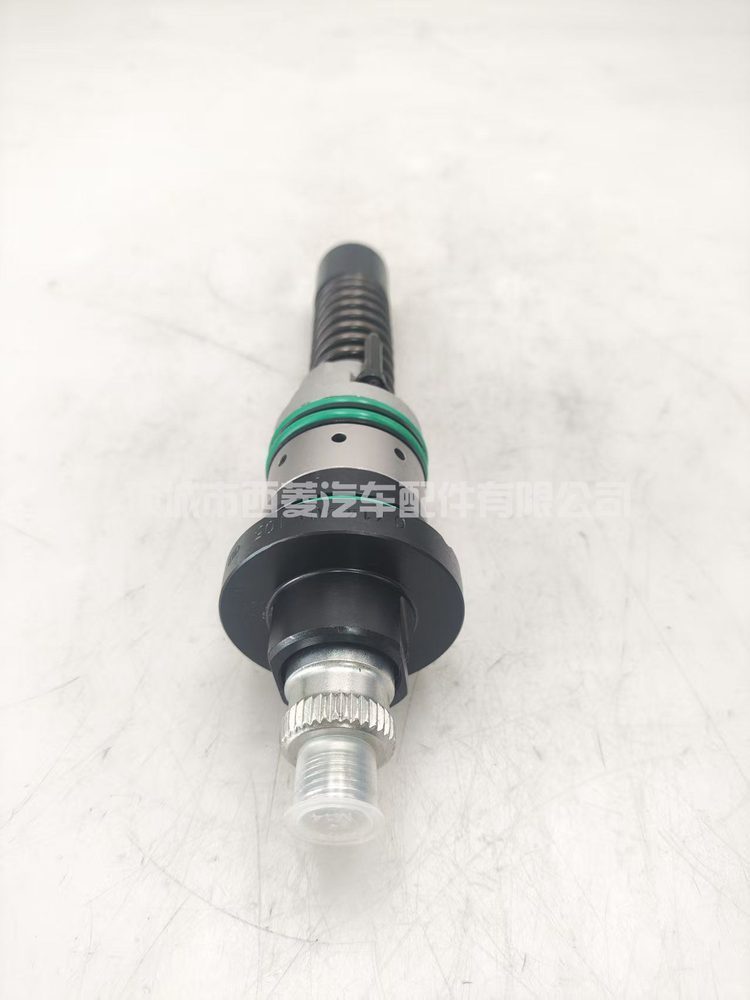
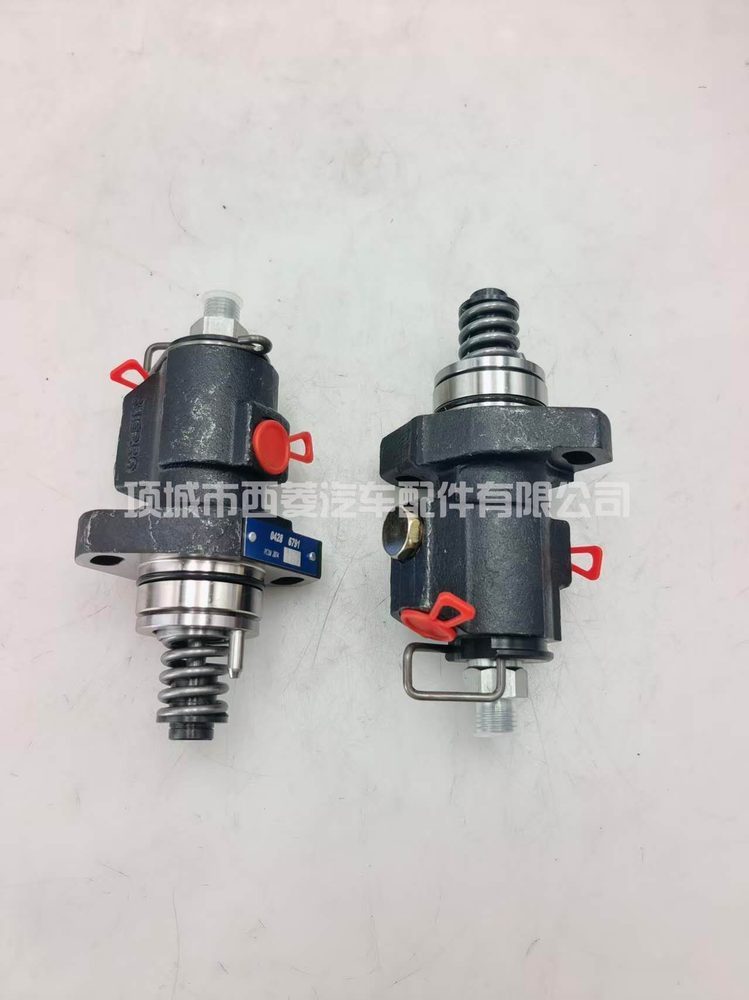
The injection pump carries three responsibilities at once: generating injection pressure, metering the correct quantity, and providing the timing reference the engine runs on. Because these are bundled together, pump wear almost never produces one clean symptom — it produces a pattern.
The pattern usually begins with harder starting, particularly when the engine is hot. As internal clearances open, the pump loses its ability to build pressure quickly at cranking speed, so the engine needs more revolutions before it fires. Owners often replace batteries and starters before anyone checks the pump.
It progresses from there: power drops away, smoke appears across the rev range, idle speed becomes unstable, and consumption rises. A leak at the drive shaft seal can put diesel into the lubricating oil, which is a fault that should be dealt with immediately rather than monitored — fuel-diluted oil does not protect bearings.
Before condemning the pump, rule out the supply side. A blocked filter, a collapsing suction hose, a weak lift pump or air entering on the suction side will all starve the pump and produce symptoms that are extremely difficult to distinguish from internal wear. Checking supply pressure and condition at the pump inlet takes a few minutes and costs nothing; replacing a pump that was never faulty costs the part, the labour and the downtime.
When a pump genuinely needs replacement, timing is the step that decides whether the job succeeds. The pump must be set against the engine's timing marks — and critically, it should never be forced to align. Barring the engine over so the drive meets the pump without resistance is the correct method; levering the pump shaft round is a reliable way to damage it before it ever runs.
After fitting, prime the system thoroughly before cranking and bleed it properly. Renew the mounting or drive seal where the engine manufacturer specifies it. Confirm supply pressure from the lift pump before the first start. A pump run dry for even a few seconds can suffer damage that no warranty will cover, and this is the single most common cause of premature failure on an otherwise sound replacement unit.
On a remanufactured pump, ask what was measured during the rebuild — cam ring, rollers, plunger and delivery valves all have wear limits, and a genuine rebuild replaces what falls outside them rather than reassembling and hoping. Ask also whether the unit was calibrated on a bench after assembly, since timing device behaviour and delivery cannot be verified by eye.